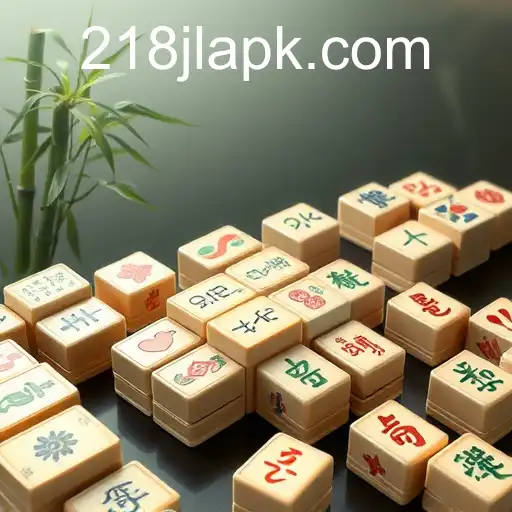
Exploring the Depths of Mahjong: A Timeless Game
Mahjong is a fascinating game that combines skill, strategy, and a bit of luck, captivating players around the globe. With its origins in China, Mahjong has a rich history and has evolved in various ways across different cultures and platforms. The game is played with tiles rather than cards, and its intricate rules and deep strategic elements make it a favorite among enthusiasts. One intriguing aspect of this game is its ability to bring people together, fostering social interaction and mental challenge.
The Origins of Mahjong
The precise origins of Mahjong remain somewhat obscure, but it is generally agreed that it emerged in China during the Qing Dynasty. Initially, it was a pastime for the elite and developed from older card games. Mahjong's name, which means "sparrows" in Chinese, is thought to have come from the sound the tiles make when shuffled together. Over time, Mahjong spread throughout Asia, each region adapting the game to its cultural context, garnering vast popularity.
The Structure of Mahjong
Mahjong is typically played with a set of 144 tiles in several patterns based on the game variant. These tiles are divided into three suits: bamboo, characters, and circles, along with honor and bonus tiles. Each suit contains sequences and triplets that players strive to gather into harmonized sets. Mahjong can be played by two to four players seated around a table, with each player receiving 13 tiles at the beginning of the game.
Basic Gameplay Mechanics
In the game, players take turns drawing and discarding tiles, aiming to complete a winning hand. There are various winning combinations, the most basic being a hand of four sets of three tiles and a pair. However, advanced rules introduce additional complexities, such as the ability to call "Pung" or "Chow" to claim discarded tiles, adding layers of strategy and foresight to the gameplay.
Global Variations of Mahjong
As Mahjong spread beyond China, different cultures developed their own versions of the game. Japanese Mahjong, for example, incorporates unique rules, including the 218JL, a distinctive scoring method. Japanese Mahjong is a highly competitive variant known for its quick pace and additional strategic depth. In the United States, Mahjong enjoys popularity, particularly among Jewish communities, who often partake in group sessions that blend gameplay with social interaction.
Mahjong's Role in Popular Culture
The game's cultural significance is evident in its depiction in various media. Mahjong is a common theme in movies, television shows, and literature. In these portrayals, the game frequently symbolizes intellect and cunning, underscoring its status as a mental sport. The game's intricate nature and suspenseful dynamics provide a compelling narrative element; it's no surprise it frequently emerges in storytelling.
Online and Mobile Mahjong
With modern technology, Mahjong has made a seamless transition into the digital world. Countless apps and online platforms offer Mahjong, allowing play across distances—a practice accelerated by global events favoring remote entertainment. Online Mahjong often includes customizable settings that accommodate a variety of rules and styles, making it accessible to a broader audience.
The Benefits of Playing Mahjong
Mahjong is not only entertaining but also beneficial for cognitive health. Studies suggest playing Mahjong can improve memory, mental agility, and strategic thinking. It provides mental exercise that helps maintain cognitive abilities, especially for elderly players. Additionally, Mahjong encourages social interaction, fostering community bonds and reducing the feelings of isolation.
Learning Mahjong
For beginners, mastering Mahjong can be daunting given its complexity. Thankfully, numerous resources, from books to online tutorials, assist newcomers in unraveling the game's rules. Mentorship from experienced players is also invaluable, creating opportunities for shared learning and enjoyment.
Strategies for Success
Success in Mahjong requires players to weigh their game strategy carefully—considering both their tile layouts and predicting opponents' moves. Recognizing potential patterns and adjusting strategies in response to the evolving game state are essential skills for winning Mahjong contests. Experienced players often possess a keen understanding of probability and tile tracking to navigate the game adeptly.